Britain · UK News Post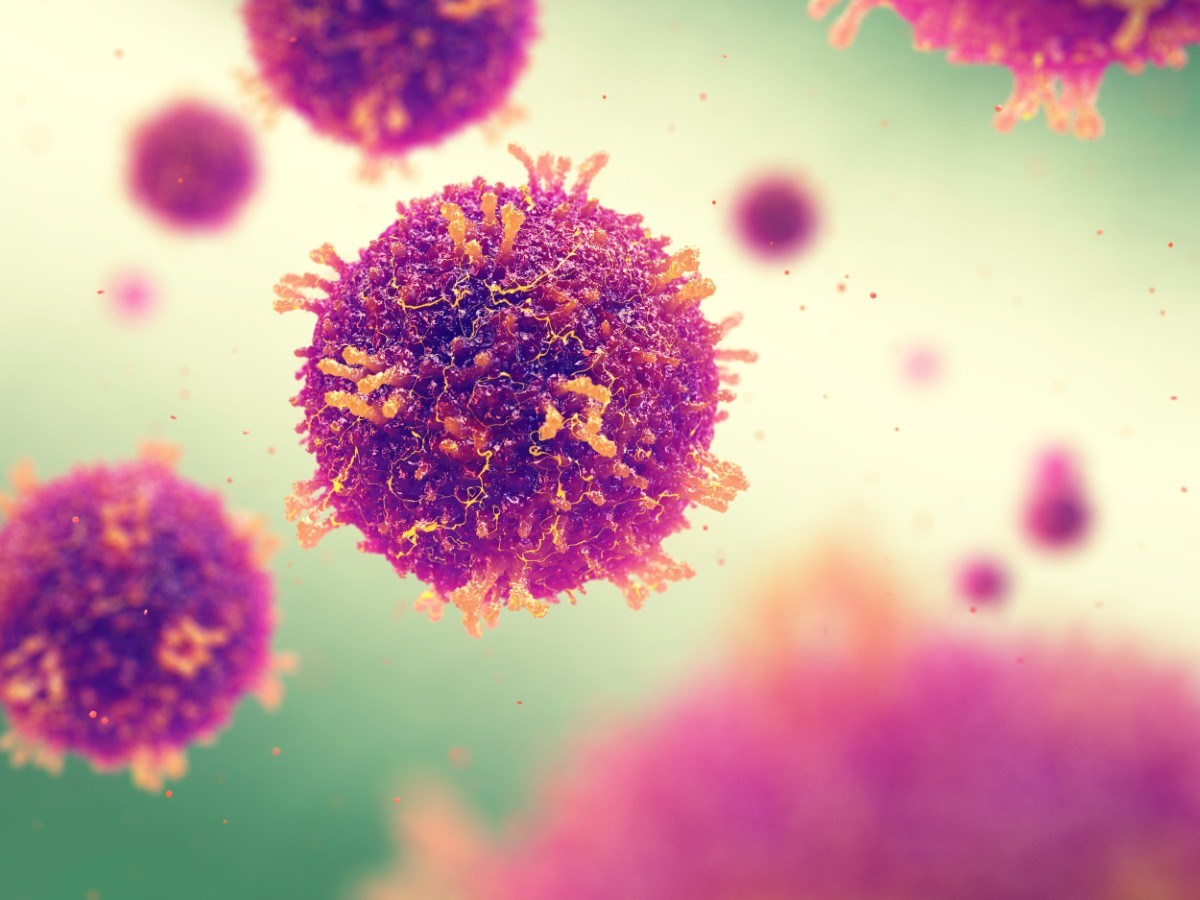
America is currently experiencing its highest caseload of measles in over three decades, and the third person this year has died from complications associated with the virus. Measles is a highly contagious virus that was declared eradicated in the U.S. in 2000 following the development of the measles vaccine . Since then, there have been occasional annual spikes in case numbers.
Over the last two years, though, cases have surged. So far this year, the number of those residing in the U.S. who have been infected has already vastly surpassed the annual caseload of any year since 2000. Three people have also died this year due to complications associated with measles.
The third person was a 40-year-old woman who passed away on Saturday , the Jefferson County Coroner’s Office confirmed. As cases continue to rise, experts have told Newsweek whether Americans should be concerned about the spread of the disease. "The fact that any measles deaths are occurring in the U.S. is a tragedy, because measles is completely preventable through vaccination," Lauren Gardner, a professor of civil and systems engineering at Johns Hopkins University, told Newsweek .
"Americans that are unvaccinated or have unvaccinated children should be concerned, especially if outbreaks are occurring in their community." Should You Be Concerned? Amira Roess, a professor of global health and epidemiology at George Mason University, told Newsweek that Americans who have been "fully vaccinated and are relatively healthy" do not have to "worry much" about measles. However, she said that Americans who have a "significant underlying health issue or are caring for someone who does" need to "pay attention." Those with underlying health conditions and weakened immune systems are at an increased risk of becoming very unwell if infected with the virus.
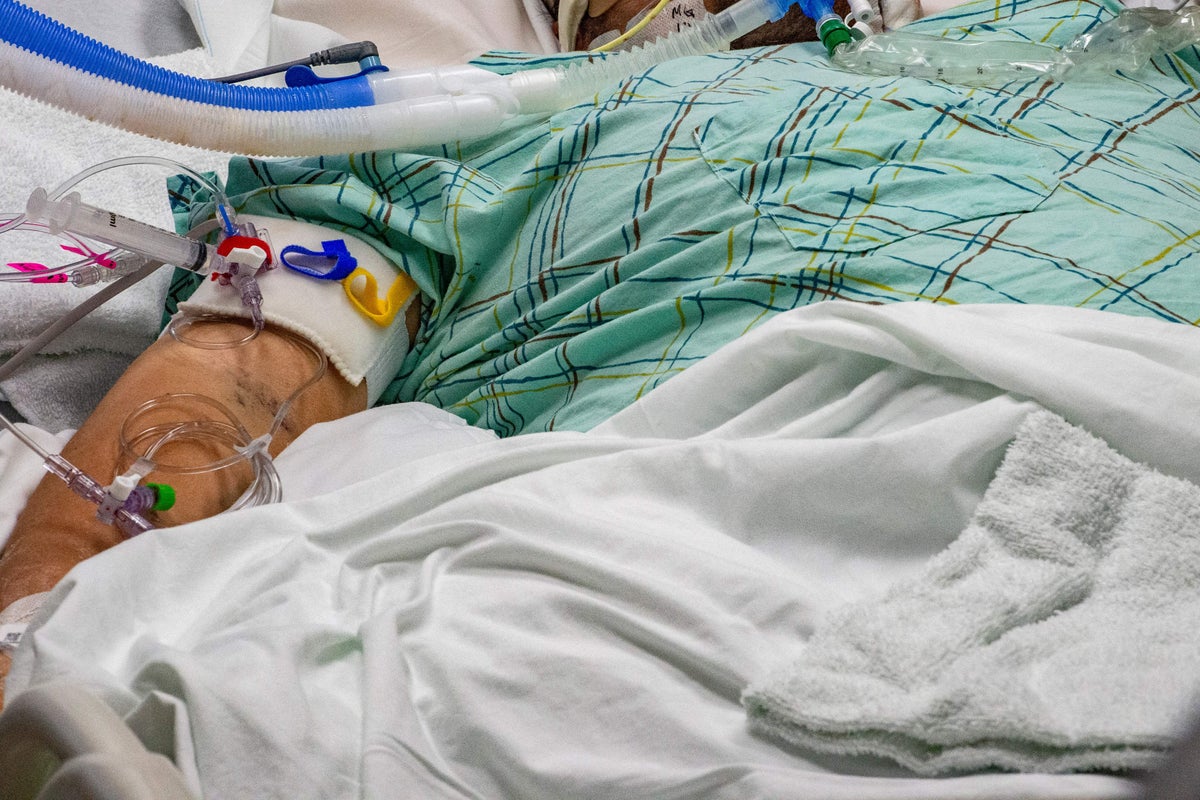
Pregnant women, children under the age of 5, and adults older than 20 are also more at risk of experiencing measles complications. For those who are at risk, Roess said: "Measles can be deadly." In some cases, those infected with the virus can suffer from severe complications such as pneumonia (an infection of the lungs) and encephalitis (a swelling of the brain). These complications may require hospitalization and, in extreme cases, could result in death.
Around one in five unvaccinated people in the U.S. who get measles require hospitalization, while 1 in 20 children who get measles go on to develop pneumonia and 1 in 100 children with measles develop encephalitis, according to data from the Centers for Disease Control and Prevention (CDC). For pregnant women who have not been vaccinated and have measles, the virus can result in premature birth or a low-birth-weight baby. As many Americans are in regular contact with someone who is immunocompromised or are immunocompromised themselves, Roess said it was important that you "do what you can to stay healthy and avoid exposure." However, she added that reducing exposure to measles can be "very difficult as the measles virus is aerostatic, meaning it can stay suspended in the air for about 4 hours.
This increases its ability to infect." It is understood by many that the best way to protect yourself against measles is by getting the vaccine. The CDC states that two doses of the MMR vaccine are "recommended by doctors as the best way to protect against measles, mumps, and rubella," and that the vaccine will offer protection for life from the virus. Dr.
Richard Zimmerman, a professor of family medicine and clinical epidemiology at the University of Pittsburgh, told Newsweek that "Americans should take measles seriously." "People often forget how severe measles can be because vaccination made the disease uncommon for decades," he added. "Before widespread vaccination, millions of Americans were infected annually and hundreds died. About 30 percent of cases develop complications such as pneumonia, ear infections, dehydration, or encephalitis." Dr.
Judith O’Donnell, a professor of clinical medicine at the University of Pennsylvania, told Newsweek : "Everyone should be concerned about the significant uptick in measles over the last 2 years." She added that after the U.S. was granted measles elimination status in 2000, there were no outbreaks for more than two decades, but since 2025 "there have been sustained outbreaks in several areas of the U.S.," which she said, "is going to be the new normal given the decrease in vaccinations among children." Why Is Measles Spreading? Experts attribute the rise in measles cases largely to the decline in vaccination rates across the country. Roess said that "unfortunately, over the years we have seen a steady increase in vaccine hesitancy, and this increase has accelerated in recent years." She added that there are communities in America that are "woefully under-vaccinated and this is where we are seeing measles emerge and spread." She said, for example, in West Texas and South Carolina there are small communities that have "a very large percentage of individuals who are unvaccinated or under-vaccinated," and that in these areas, "measles has the opportunity to do what it does best," which is spreading "very rapidly from one individual to another." "Measles is one of the most easily transmissible viruses that we face," she added.
"Once it pops up an under vaccinated community then spreads rapidly and it is just a matter of time before it finds its way to neighboring populations." When more than 95 percent of people in a community are vaccinated, then most are protected through herd immunity, information provided by the CDC states. However, vaccination coverage among U.S. kindergartners has decreased from 95 percent during the 2019–2020 school year to 92 percent in the 2025–2026 school year, leaving approximately 280,000 kindergartners at risk, according to the agency's data. There are many communities across the U.S. that have MMR coverage rates much lower than the national average as well—at around 70 to 80 percent—and that makes them "extremely vulnerable when new cases are introduced," Gardner said.
She added that an increase in cases and outbreaks across the U.S. only "increases the odds of new introductions into these vulnerable communities," and that this combination "is dangerous." Zimmerman said that the "most important step is to increase MMR vaccination coverage, especially in communities where rates have fallen." "Vaccination protects not only the individual but also infants, immunocompromised patients, and others who cannot be fully protected themselves," he added. "The tragedy of measles today is that we already have the tools to prevent it. Few public health interventions have been as successful as the MMR vaccine." Gardner also said it was crucial to "increase efforts to identify the communities that are under-vaccinated and increase vaccination coverage in them." She added this was "a complex task," as the "communication really needs to be tailored to the specific concerns of each community, while also communicating the importance and benefits of vaccination," and be "delivered by a trusted messenger." "Additionally, large-scale efforts to counter the vast amounts of misinformation in circulation about vaccines are also necessary," she said.
O’Donnell also said that "public health, healthcare organizations, and individual healthcare providers need to work collaboratively to identify the reasons for vaccine hesitancy, and then work to assuage fears and inform patients and families of the benefits of vaccination." Contact Newsweek editors on this story: Kara Dolman and Gray R. Thomas
Source: Newsweek