Britain · UK News Post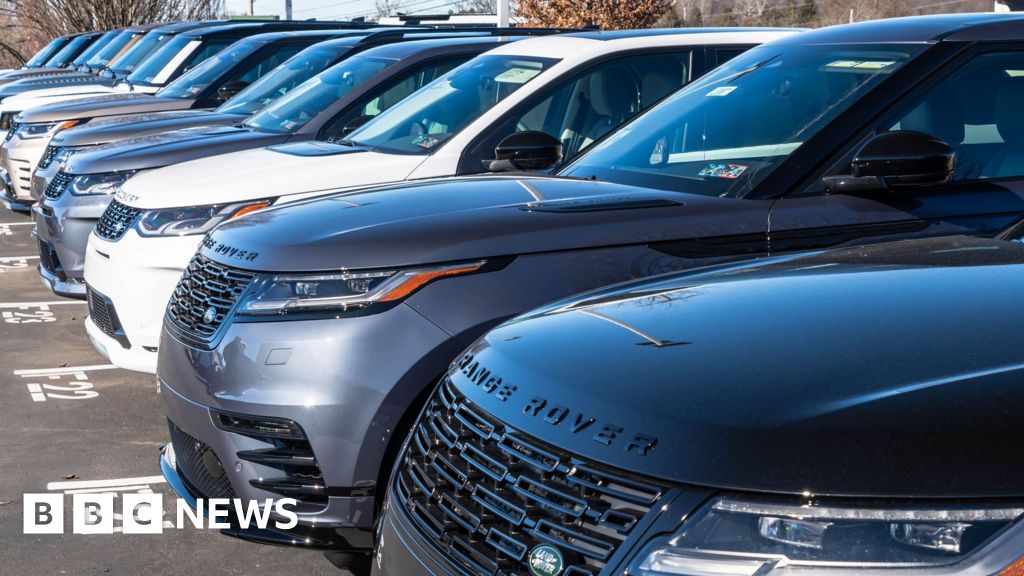
Jaguar Land Rover's decision to shed 4,000 jobs follows a challenging period marked by falling sales across its major markets and a devastating cyber-attack that paralyzed production last year. The company is investing billions in reinventing itself for an electric future, facing intense competition from aggressively expanding Chinese brands.
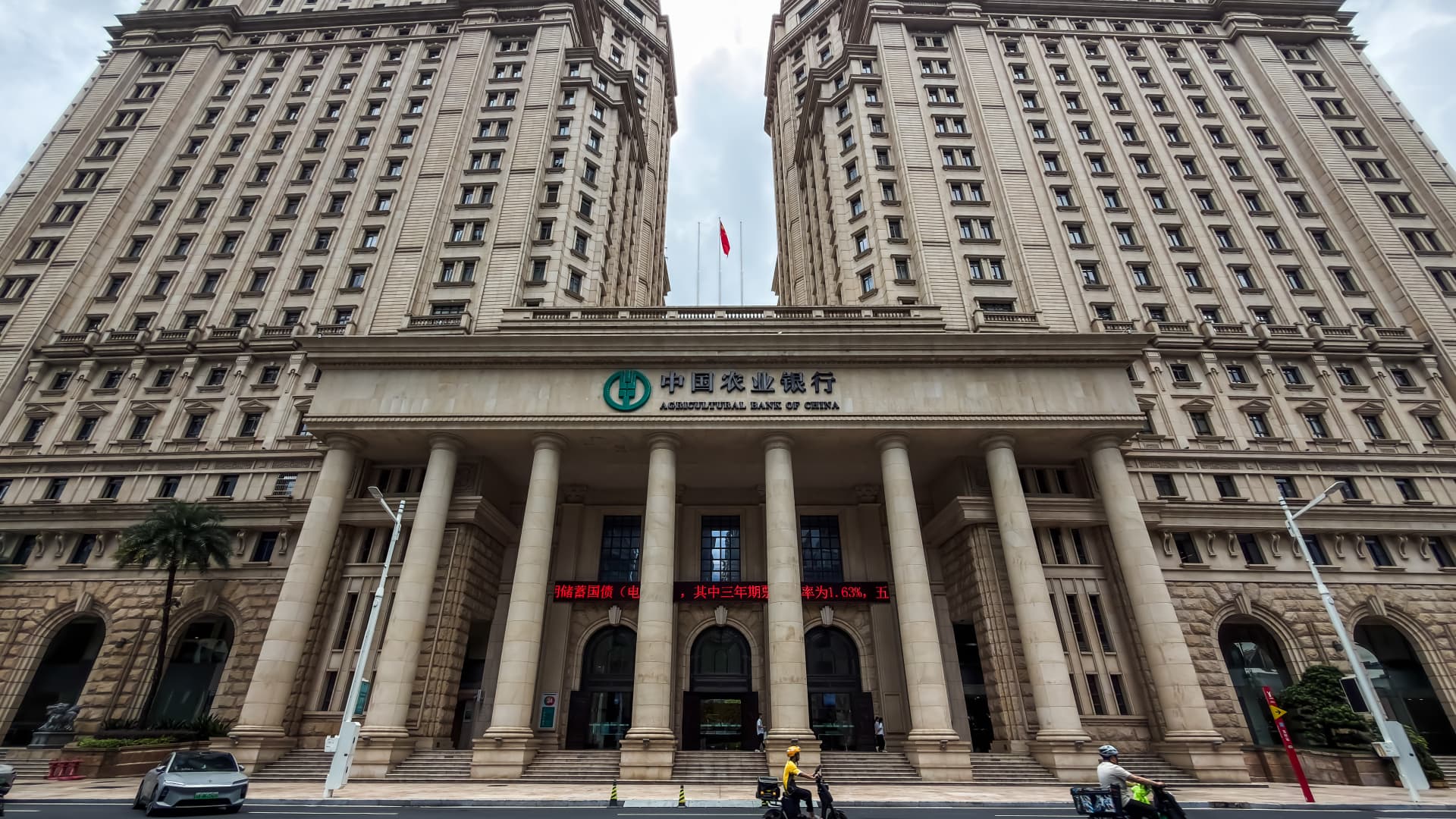
One of the main concerns for JLR is the Chinese market. Once seen as a land of opportunity for Western carmakers, it has become increasingly difficult due to rapid growth among domestic Chinese manufacturers, backed by government support, and a shift toward electric vehicles. Sales in China fell from 146,000 cars in 2017 to 62,400 in the last financial year, with competition and a new luxury car tax further squeezing profit margins.
JLR is not alone in this struggle; the Volkswagen Group has also seen earnings in China plummet, leading to job cuts. The Chinese market’s impact has led European carmakers, including JLR, to expand aggressively abroad. Companies like BYD and Chery have gained significant market share in the UK and Europe, with BYD’s Jaecoo 7 being the third best-selling car in the UK over the first half of 2024.
In the US, JLR’s sales dropped from over 120,000 cars in 2024 to just under 100,000 in 2025, partly due to a cyber-attack that paralyzed production in September 2025 and cost £1.9 billion. Import tariffs and subsequent uncertainty have further impacted sales and profits. To mitigate tariffs, JLR is planning a partnership with Stellantis to build new Defender-badged vehicles in the US, avoiding tariffs on these models.
Energy costs, already high in the UK, are exacerbating challenges for JLR and its suppliers. High electricity prices make manufacturing in Britain more expensive, effectively imposing a competitiveness tax on the industry. Despite these challenges, JLR has been investing £15 billion in developing a new generation of electric vehicles. The first electric Range Rover was unveiled last week, but the relaunch of Jaguar as an all-electric brand has faced controversy, including a polarizing advertising campaign in late 2024 that some viewed as overly "woke." The first electric Jaguar is due to launch on 6 October, marking a pivotal moment for the company.
JLR’s CEO, PJ Balaji, acknowledges the need for cost-cutting measures, including job reductions, which could involve compulsory redundancies. However, suppliers are also facing high energy and employment costs, creating significant anxiety. JLR is pushing for cost savings, but the broader economic pressures are straining the entire supply chain.
Source: BBC