Britain · UK News Post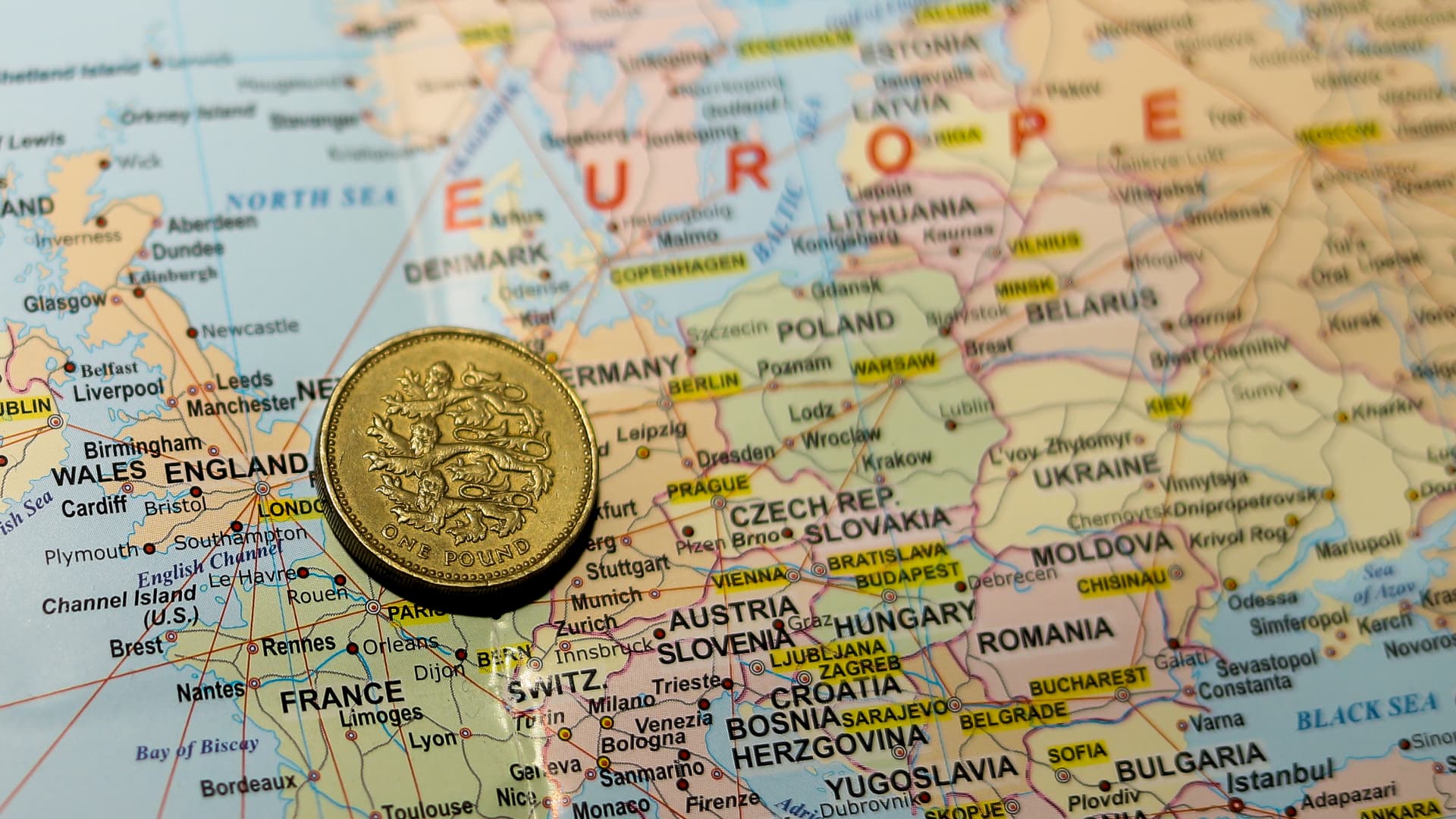
watch now The British pound has largely shrugged off another change of government and geopolitical shocks to outperform many of its peers this year, but the currency's recent weakness could be set to deepen. Sterling has gained around 1.6% against the euro year-to-date, adding 2.8% against the Swiss franc, 4.9% against the Swedish krona, and 1% against the Canadian dollar. It is near-flat against the U.S. dollar over the same period and down 1.3% against the Japanese yen.
The resignation of Prime Minister Keir Starmer on July 20 left Britain facing its seventh leader in 10 years. Markets are closely watching whether a new administration will uphold the 'fiscal rules' emphasized by former Finance Minister Rachel Reeves. U.K. borrowing costs have risen under Starmer's successor, Andy Burnham, also of the center-left Labour Party, but this aligns with a global government bond sell-off.
Matthew Ryan, head of market strategy at financial services firm Ebury, noted that a 'clean and orderly transition of power' removed a potential risk, easing the perceived political risk premium attached to the pound. Ryan described sterling as the 'surprise outperformer' among the G10 group of wealthy nations over the past three months, attributing this to an unexpectedly resilient U.K. economy. Gross domestic product grew by 0.4% in the second quarter, following 0.6% expansion in the first quarter—one of the strongest performances among advanced economies. Sunny weather and FIFA World Cup excitement boosted consumer spending, while business activity remained surprisingly resilient despite geopolitical volatility.
Sterling also benefited initially from market expectations of a Bank of England monetary policy response to inflation fears following the start of the Iran conflict in April. However, despite renewed price pressures, the Bank of England has kept its key interest rate at 3.75% throughout the year. Current market expectations suggest low odds of a rate hike at the September meeting. In contrast, the European Central Bank and Federal Reserve are expected to hike rates soon, typically boosting their home currencies.
Dovish messaging by the Bank of England on September 17 could further weaken sterling just before markets anticipate the first annual budget announcement by Burnham's administration on October 28. New U.K. Finance Minister John Healey emphasized fiscal discipline but aimed for more even economic growth distribution. JP Morgan U.K. economist Allan Monks noted that Healey’s remarks suggest a cautious approach to tax and spending changes amid higher borrowing costs. The budget is likely to focus on devolution, public service control, and private sector partnerships but will not significantly alter the macroeconomic outlook.
Ebury's Matthew Ryan warned that the budget contains high political risk, potentially including higher ancillary tax rates, increased debt issuance, and measures like a 'mansion tax' and tighter pension relief. These could dampen growth, squeeze the private sector, and increase borrowing, making markets nervous over any growth-dampening policies.
Source: cnbc.com