Britain · UK News Post
New evidence suggests elements of Sudan’s military may have developed and used improvised chlorine weapons, potentially adding a dangerous new dimension to the country’s civil war. Port Sudan is the key energy-security vulnerability, serving as a critical hub for fuel imports and Sudanese and South Sudanese oil exports while facing growing drone and sanctions risks.
The investigations published by The New York Times and The Washington Post present the most substantial publicly available evidence yet that elements of the Sudanese Armed Forces developed, stockpiled, and apparently used improvised chlorine weapons. If independently verified, this would transform Sudan’s conflict into a chemical-weapons and energy-security crisis directly connected to the Red Sea. The material reportedly includes bomb designs, test videos, photographs, and intercepted communications. Specialists found no evidence of digital manipulation in the audio-visual material, and intelligence officials, former weapons inspectors, and human-rights experts assessed the dossier as credible.
Sudan’s military denies developing or using chemical weapons, while Khartoum claims American sanctions are politically motivated. The concerns underscore the risk to regional peace and energy security. The new dossier adds operational detail and possible evidence of concealment to an existing American assessment.
For energy markets, the most critical aspect is that a suspected chlorine attack reportedly occurred near the Al Jaili refinery, north of Khartoum. Energy infrastructure is increasingly a target in Sudan’s war, with refineries, fuel depots, pipelines, electricity networks, and port facilities providing military mobility, government revenue, and political control. The reported chlorine use to clear forces from an oil facility creates a dangerous precedent: critical energy assets could become unconventional-warfare targets.
The escalation potential of improvised chlorine munitions should alert external supporters and adversaries alike. Sudan’s war has already demonstrated that sophisticated drones can strike far behind traditional front lines, attacking electricity systems, fuel installations, and civilian infrastructure alongside military locations. The danger is that chemical-weapons allegations could justify additional strikes against airbases, military-industrial sites, storage areas, and logistics nodes across eastern Sudan.
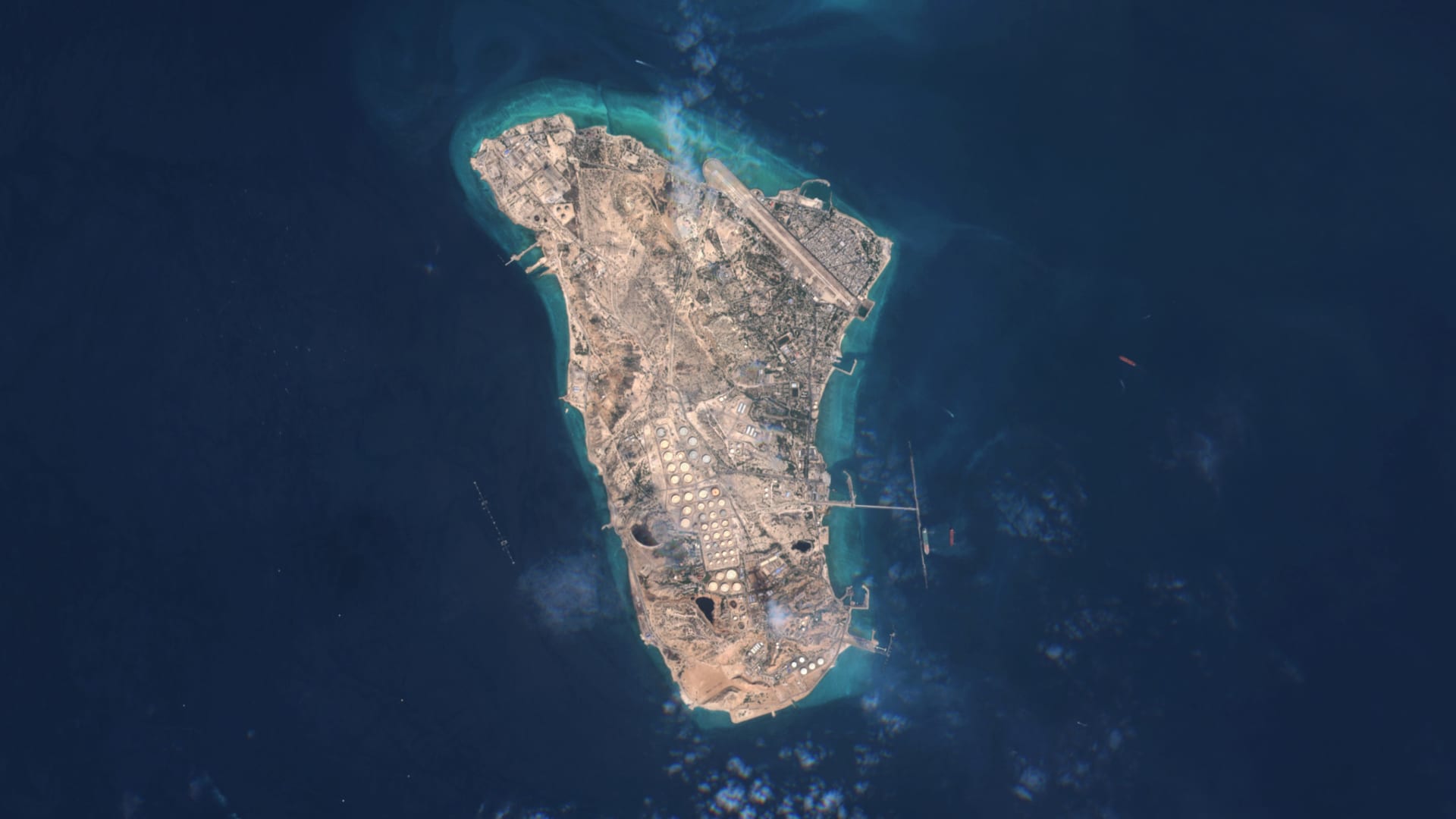
Port Sudan is the central pressure point for energy security. It is Sudan’s principal commercial harbor, an entry point for imported fuels and humanitarian supplies, an outlet for Sudanese and South Sudanese crude, and a location of strategically important naval infrastructure. It is also indispensable for electricity generation, transport, and the survival of Sudan’s remaining formal economy. Long-range drone attacks in May 2025 struck fuel depots, the Southern Port terminal, electricity infrastructure, the airport, and the Flamingo naval base. Damage to tank farms, pumping installations, power supplies, loading facilities, or access roads could interrupt fuel imports, delay exports, and force commercial vessels to wait offshore.
South Sudan is especially exposed. As a landlocked producer, it depends on pipelines crossing Sudan and export infrastructure at Port Sudan. Previous attacks against Heglig, Al Jabalyn, and associated facilities demonstrated how rapidly battlefield developments can interrupt production and exports. A prolonged pipeline or terminal shutdown would threaten South Sudan’s oil revenues, undermining its ability to pay civil servants, import food, fuel, and manage internal political tensions.
Sudan’s domestic energy position is precarious. Refining capacity cannot satisfy national demand, while diesel and gasoline imports through Port Sudan support generators, transport, water pumping, hospitals, and agricultural activity. The confrontation around Hormuz has increased Gulf-origin fuel supply costs and uncertainty, raising freight and insurance costs. Parallel-market gasoline prices in Khartoum reportedly increased by almost 67% in one week during April 2026, illustrating how quickly external disruptions affect the Sudanese economy.
The chemical-weapons allegations could worsen these pressures. Additional sanctions, cargo inspections, and restrictions on dual-use chemicals could complicate legitimate imports of water-treatment chlorine, refinery components, and industrial equipment. Banks, insurers, and shipping companies may withdraw rather than risk breaching sanctions, deepening fuel shortages, electricity outages, and humanitarian distress.
The regional context is critical. Bab el-Mandeb traffic remains depressed, threats and attacks have disrupted Saudi oil movements from Yanbu, and Gulf producers rely more heavily on Red Sea infrastructure due to Hormuz’s severe constraints. Saudi Arabia’s dependence on its East-West Pipeline and Yanbu export facilities has increased sharply. If Sudan’s coastline becomes another sustained drone theater, Saudi Arabia, Egypt, and international naval forces would face challenges protecting an energy corridor from Yanbu and Port Sudan through Bab el-Mandeb to the Gulf of Aden.
Sudan alone cannot structurally move global oil prices, but its disruptions could correlate with restricted Hormuz flows, attacks on Saudi exports, disruptions around Suez, or damage to Yanbu. The most likely three-month scenario involves greater diplomatic pressure, additional sanctions, and renewed demands for OPCW access, but no direct foreign military intervention. The immediate impact on global oil prices would remain modest. A more dangerous scenario involves attacks against Port Sudan’s fuel storage, pipeline terminal, port facilities, or airbases allegedly connected to the chemical program. South Sudanese exports could be interrupted, Sudanese fuel shortages would intensify, and Red Sea insurance costs would rise.
The real tail risk is simultaneous escalation around Port Sudan, Yanbu, Bab el-Mandeb, and Hormuz. At that point, the oil market would price the progressive militarization of the maritime energy system connecting the Gulf, the Red Sea, and the Suez Canal. Port Sudan does not need to become another Hormuz to matter—it only needs to become another unreliable link in an already overstretched energy corridor.
Source: OilPrice.com